Why Hearing Protection Matters for Tradies, Kids and Babies
If you’ve ever finished using an angle grinder, circular saw or lawn mower and noticed your ears ringing, it’s worth paying attention.
That ringing is often a sign that your hearing has been exposed to damaging noise. Unfortunately, once hearing is damaged, it cannot be restored.
Whether you’re working on a construction site, tackling weekend DIY projects, mowing the lawn or taking your family to the footy or a fireworks display, wearing the right hearing protection is one of the easiest ways to protect your long-term health.
At Demak, we’re committed to helping tradies, homeowners and families stay safe. For a limited time, we’re also offering special prices on selected hearing protection, making now the perfect time to stock up.
Why is Hearing Protection Important?
Hearing loss caused by excessive noise is known as noise-induced hearing loss (NIHL). It often develops gradually, meaning many people don’t realise their hearing is being damaged until it’s too late.
According to the Australian Government, loud noise can permanently damage the tiny hair cells inside the inner ear. Once these cells are damaged, they do not grow back.
Learn more:
- Australian Government – Protect Your Hearing: https://www.health.gov.au/sites/default/files/2023-05/protect-your-hearing.pdf
Common Sources of Harmful Noise
Many everyday activities produce noise levels capable of damaging hearing.
Common examples include:
- Circular saws
- Angle grinders
- Nail guns
- Chainsaws
- Lawn mowers
- Leaf blowers
- Hammer drills
- Tractors
- Workshops
- Construction sites
- Music festivals
- Fireworks
- Motor racing
- AFL and NRL matches
Even relatively short exposure to very loud sounds can contribute to permanent hearing loss.
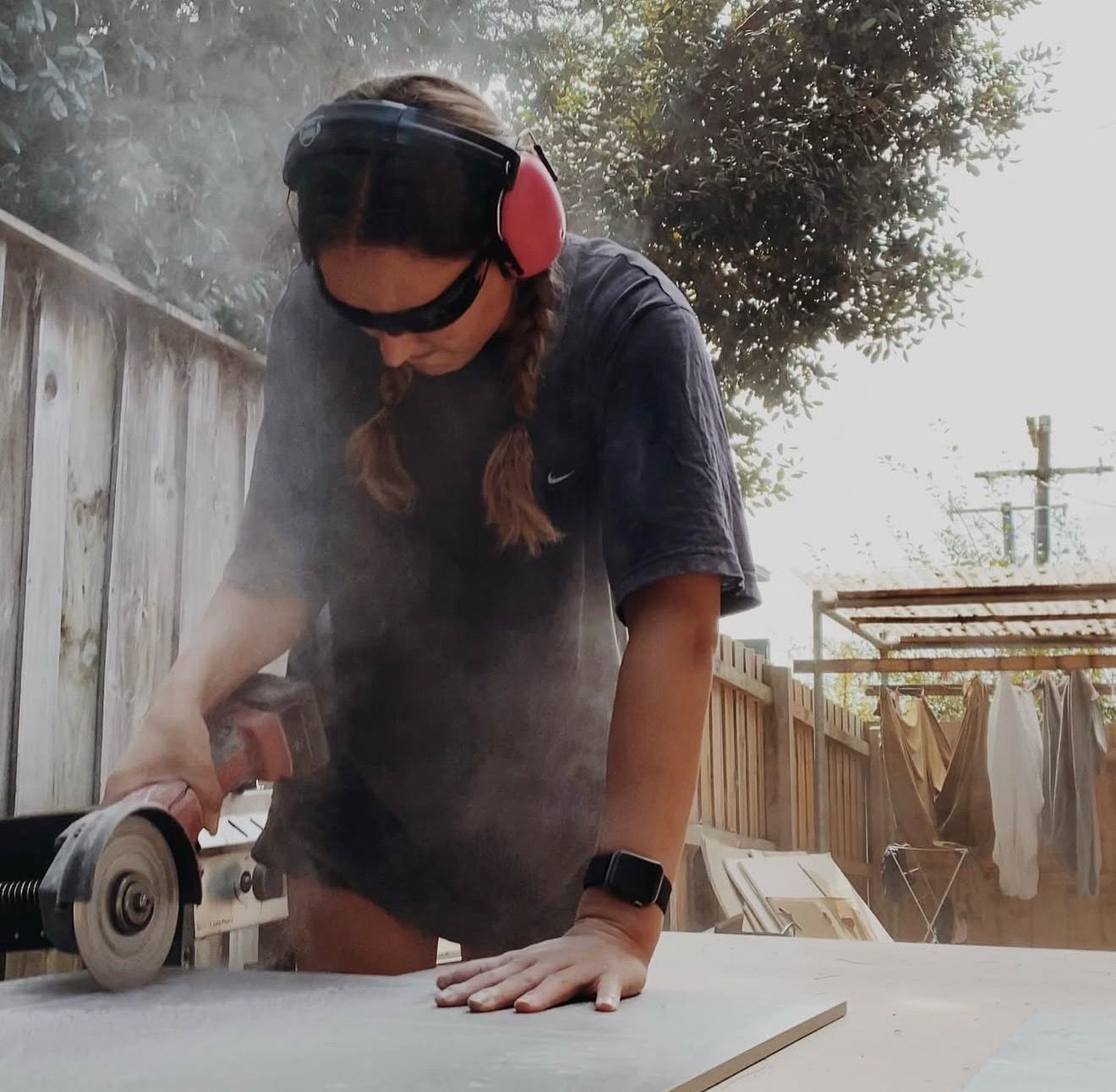
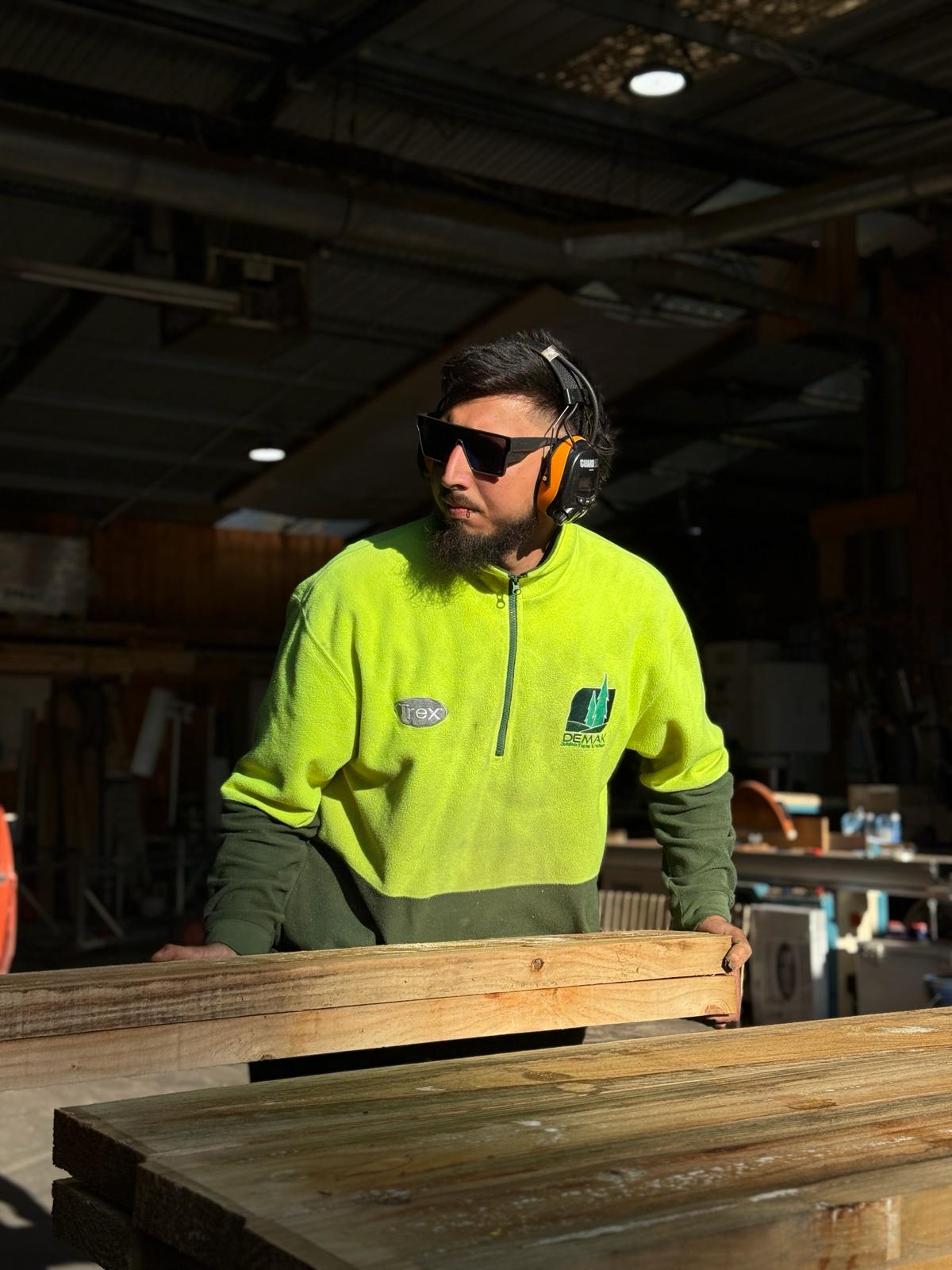
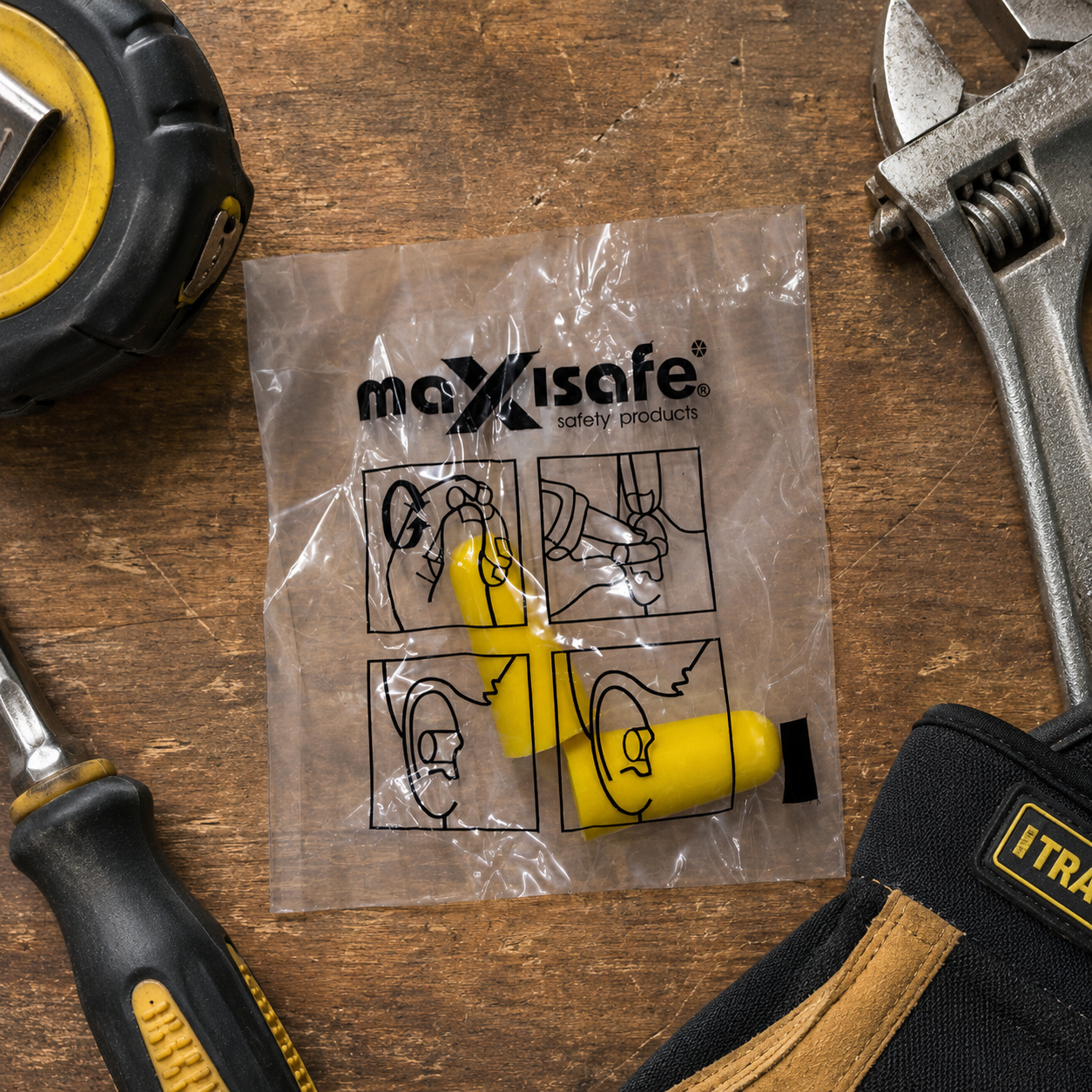
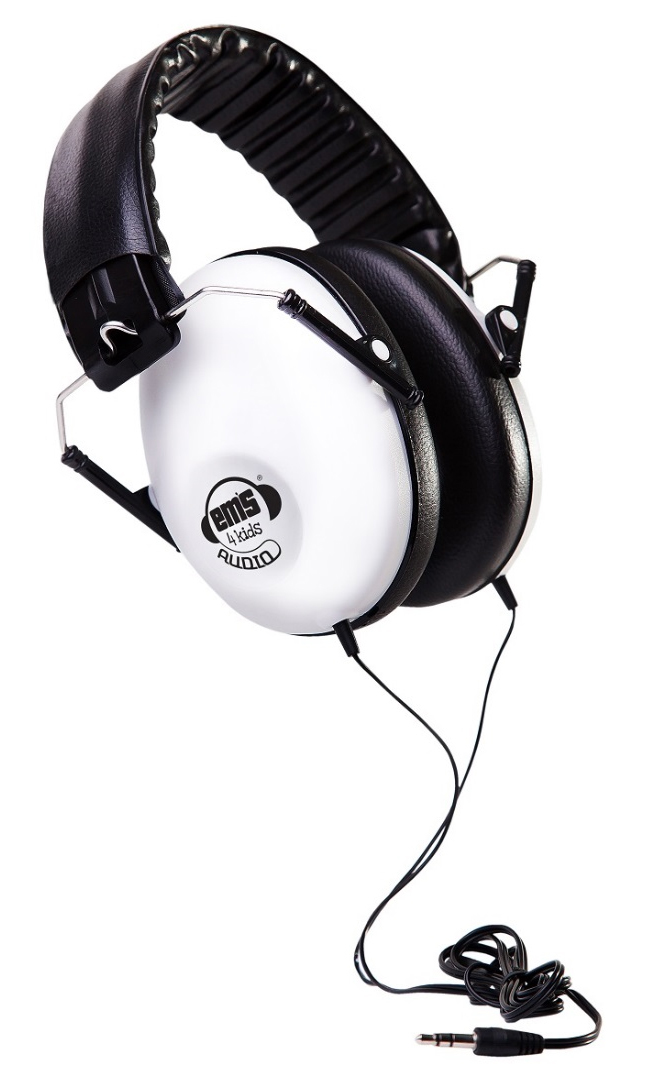


Hearing Protection for Tradies
Construction, landscaping, fencing, carpentry and manufacturing are some of Australia’s noisiest industries.
Whether you’re framing a house, building a deck or cutting sleepers, your hearing is exposed to loud equipment almost every day.
Common tools that exceed safe noise levels include:
- Drop saws
- Circular saws
- Concrete saws
- Demolition hammers
- Angle grinders
- Compressors
- Nail guns
- Chainsaws
Safe Work Australia recommends controlling workplace noise and wearing appropriate hearing protection whenever hazardous noise cannot be eliminated.
Helpful resources:
- Safe Work Australia – Managing Noise and Preventing Hearing Loss at Work
https://www.safeworkaustralia.gov.au/safety-topic/hazards/noise - Safe Work Australia – Construction Noise Hazards
https://www.safeworkaustralia.gov.au/duties-tool/construction/hazards-information/noise
Quality hearing protection is lightweight, comfortable and inexpensive compared with the lifelong impact of hearing loss.
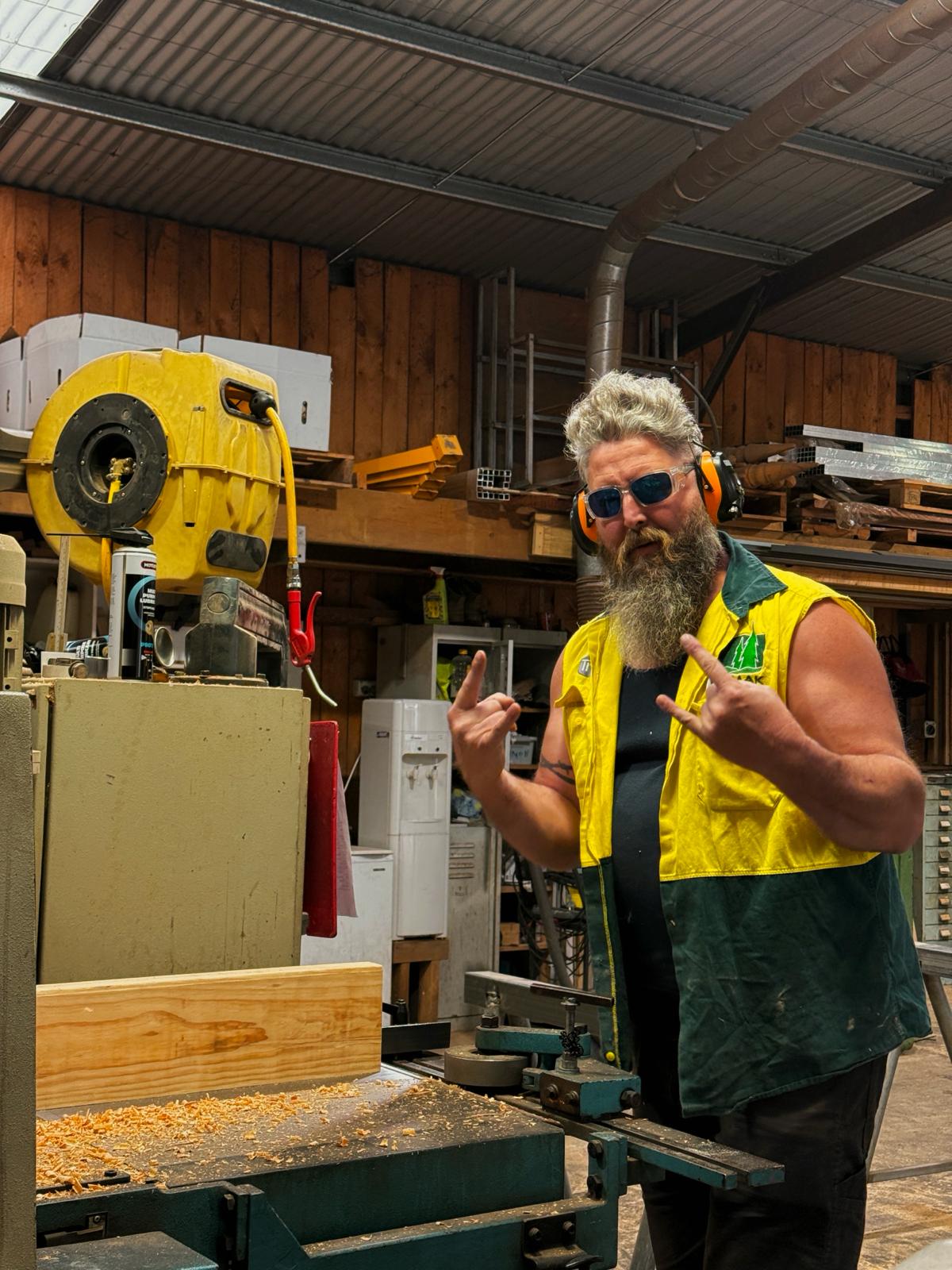
Hearing Protection for DIY Projects
You don’t need to work on a building site to damage your hearing.
Weekend projects around the home often involve equipment capable of producing dangerous noise levels.
Think about how often you use:
- Lawn mowers
- Whipper snippers
- Pressure washers
- Circular saws
- Mitre saws
- Hammer drills
- Chainsaws
Keeping a pair of earmuffs or a packet of earplugs in the shed makes protecting your hearing quick and easy.
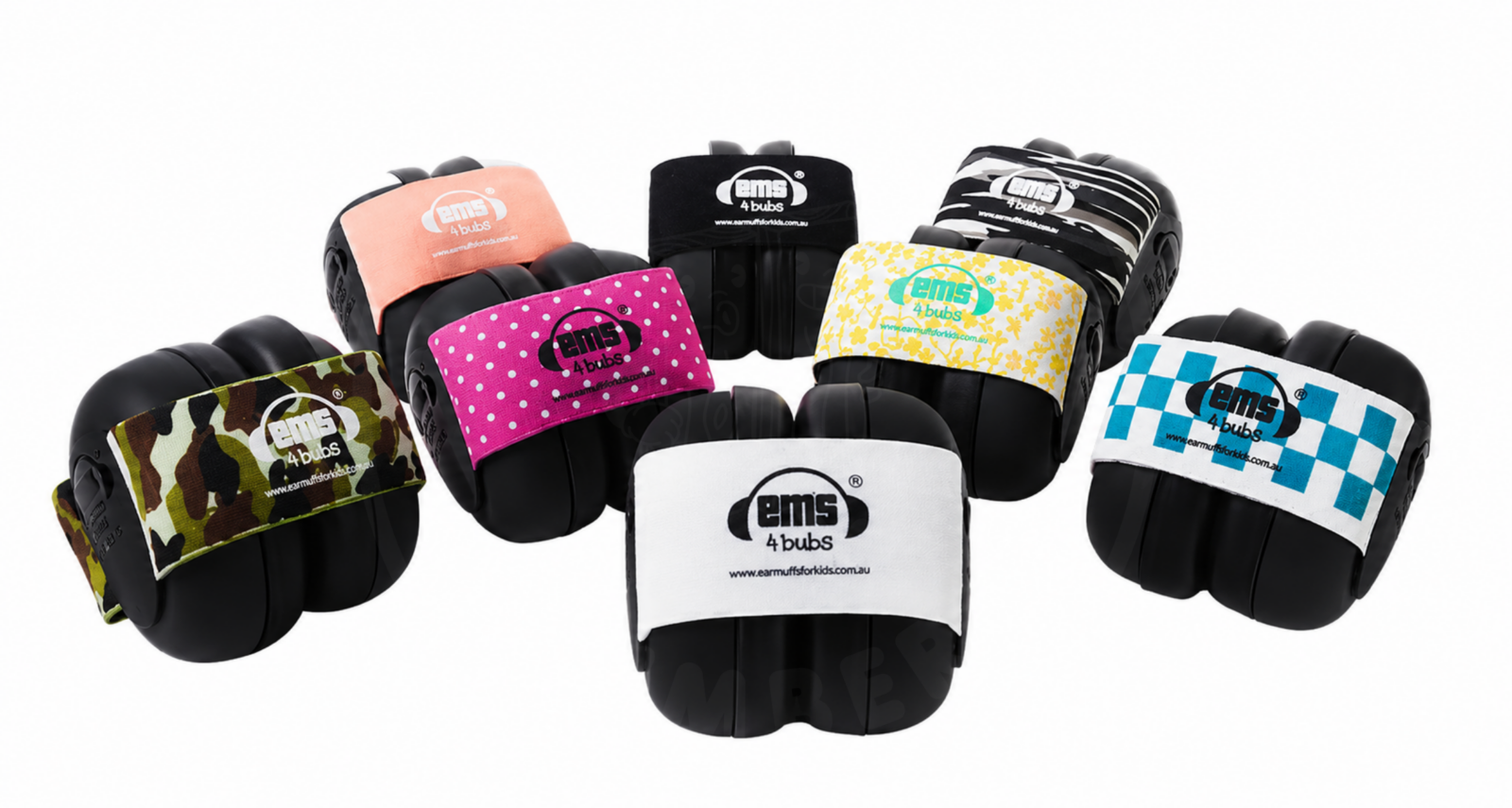
Why Babies Need Hearing Protection
Babies have extremely sensitive hearing.
Their ears are still developing, making them much more vulnerable to loud sounds than adults.
They also can’t tell you when noise is becoming uncomfortable or harmful.
Baby ear muffs are ideal for:
- Fireworks displays
- Concerts
- Music festivals
- AFL and NRL games
- Airshows
- Weddings
- Airports
- Motor racing
- Family celebrations
Providing hearing protection early helps reduce exposure to harmful noise while allowing babies to enjoy these special occasions comfortably.
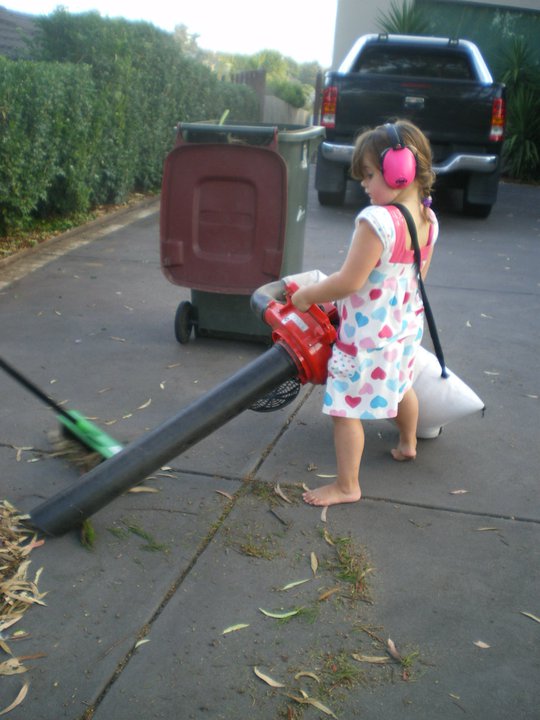
Protecting Children’s Hearing
As children grow older, they’re exposed to more noisy environments.
Common examples include:
- Sporting events
- School carnivals
- Motorcross
- Speedway
- Agricultural shows
- Live music
- Fireworks
- Camping trips
- DIY projects with parents
Children’s earmuffs are specifically designed to comfortably fit smaller heads while reducing harmful noise levels.
Helping children develop good hearing protection habits early can benefit them throughout life.
Australian Hearing Protection Facts
More than 1 million Australian workers are exposed to hazardous noise every year.
According to Hearing Australia, around 1.1 million Australian workers are regularly exposed to hazardous workplace noise.
Construction, farming, mining, manufacturing and transport remain some of Australia’s highest-risk industries.
Source:
https://www.hearing.com.au/about-hearing-australia/safe-work/
Noise-induced hearing loss is permanent.
Once the sensory hair cells inside the ear are damaged, they cannot regenerate.
Preventing hearing damage is far easier than living with permanent hearing loss.
Australia’s workplace exposure standard
Safe Work Australia states workers should not be exposed to noise above:
- 85 dB(A) averaged over an eight-hour workday
- 140 dB(C) peak sound pressure
Many common power tools exceed these levels.
Signs Your Hearing May Be Damaged
If you experience any of the following after being around loud noise, your hearing may have already been affected.
If symptoms continue, speak with your GP or hearing specialist.
Choosing the Right Hearing Protection
Different jobs require different levels of protection.
When selecting hearing protection, consider:
- Noise level
- Comfort
- Duration of use
- Compatibility with hard hats and safety glasses
- Australian safety ratings
- Disposable or reusable options
Whether you need earplugs for the workshop or earmuffs for your child, choosing the right product helps maximise both comfort and protection.
Hearing Loss is Permanent — Prevention is Simple
Noise-induced hearing loss is one of Australia’s most common workplace injuries.
Fortunately, it is also one of the easiest to prevent.
A quality pair of earmuffs or earplugs takes only seconds to put on but can help protect your hearing for years to come.
The Australian Government recommends reducing exposure to loud noise whenever possible and wearing hearing protection whenever noise cannot be avoided.
Save on Hearing Protection at Demak
For a limited time, we’re offering special prices across a range of hearing protection, including:
- Disposable earplugs
- Reusable earplugs
- Class 5 earplugs
- Trade earmuffs
- Children’s earmuffs
- Baby ear muffs
- Hearing protection accessories
Whether you’re working on site, maintaining your property or protecting your family at loud events, we’ve got hearing protection to suit your needs.
Browse our range online or visit your local Demak store today.
Frequently Asked Questions
Do tradies need hearing protection?
Yes. Tradies regularly use equipment that produces hazardous noise levels. Wearing hearing protection helps reduce the risk of permanent hearing damage and tinnitus.
What is Class 5 hearing protection?
Class 5 is the highest hearing protection classification under the Australian and New Zealand Standard (AS/NZS 1270). It is designed for environments with very high noise levels when correctly selected and fitted.
Are earplugs or earmuffs better?
Both provide excellent hearing protection when worn correctly. Earplugs are lightweight and convenient, while earmuffs are quick to fit and ideal for frequent on-and-off use. In extremely noisy environments, both may be worn together where appropriate.
Can babies wear hearing protection?
Yes. Baby earmuffs are specifically designed to reduce harmful noise while remaining comfortable for infants. They are commonly used at concerts, sporting events, fireworks and airshows.
At what age can children wear earmuffs?
Many children’s hearing protection products are suitable from around six months of age, while specialised baby earmuffs are available from birth. Always check the manufacturer’s recommended age range.
What noise level causes hearing damage?
Safe Work Australia recommends limiting workplace exposure to 85 dB(A) over an eight-hour workday. Higher noise levels require shorter exposure times, and sounds above 140 dB(C) can cause immediate hearing damage.
Can hearing loss from loud noise be reversed?
No. Noise-induced hearing loss is permanent because damaged hair cells inside the inner ear do not regenerate. The best protection is preventing damage before it occurs.
Learn More
For trusted Australian advice about hearing protection, visit:
- Australian Government – Protect Your Hearing
https://www.health.gov.au/sites/default/files/2023-05/protect-your-hearing.pdf - Australian Government – Protecting Your Hearing at Work
https://www.health.gov.au/sites/default/files/2023-07/protect-your-hearing-at-work_0.pdf - Safe Work Australia – Noise and Hearing Protection
https://www.safeworkaustralia.gov.au/safety-topic/hazards/noise - Hearing Australia – Protect Your Hearing
https://www.hearing.com.au/about-hearing-australia/safe-work/
Protecting your hearing today can help ensure you continue enjoying conversations, music and life’s important moments for many years to come.